
Dental Crowns in Canton, OH
A cracked, worn, or heavily filled tooth often requires treatment to preserve it. At Minter Dentistry, we place custom dental crowns that rebuild damaged teeth so you can bite, chew, and smile with confidence again. Dr. Minter and his team take the time to explain your choices, keep you comfortable at every step, and craft a restoration that looks and feels like the tooth you started with. If a tooth has been giving you trouble, we’d love to take a look.
What Are Dental Crowns?
A dental crown is a custom cap that fits over the entire visible part of a tooth to restore its shape, strength, and appearance. Sometimes called a tooth cap or tooth crown, it covers the natural tooth down to the gum line and is shaded to blend in with the teeth around it. Once it’s cemented in place, the crown works just like the tooth it protects, so you can eat and speak normally. Crowns are one of the most common tools in restorative dentistry, and they’re a core part of the general dentistry care we provide.
Exceptional Care in a Landmark Practice
A provider of sedation dentistry for comfort-oriented family dental care
Frequently Asked Questions About Dental Crowns
Why Would My Dentist Recommend a Crown?
We recommend a crown when a tooth is too damaged or weak for a filling to hold up on its own. A crown wraps around the whole tooth and holds it together, which protects it from cracking further or needing to be pulled. Common reasons we suggest one include:
- A large cavity, or an old filling that has started to fail
- A tooth that’s cracked, broken, or worn down from years of grinding
- A tooth that has just had a root canal and needs protection from breaking
- A healthy tooth being used to anchor a dental bridge
- Reshaping a stained or misshapen tooth for a more even smile
What Types of Crowns Are Available?
- A porcelain crown or all-ceramic crown looks the most like a natural tooth, which makes it a great pick for teeth that show when you smile
- A ceramic crown made from zirconia is strong enough for back molars that take heavy chewing force
- All-metal and gold crowns rarely chip and hold up for a long time, so they work well on out-of-sight molars
What Happens During the Crown Procedure?
The dental crown procedure often takes only one visit. We numb the tooth, remove any decay, and shape it so the crown fits securely. If there isn’t much healthy tooth left, we build it back up with filling material first. Then we capture a digital impression using a small in-office camera and fabricate a same-day crown using a dental CADCAM machine. This prevents you from the inconvenience of wearing a temporary crown and returning for a second visit. While most crown procedures in the office take only 1 appointment, there are situations where we may recommend a dental lab fabricate the crown. In that case, a second visit may be required.
Is Getting a Tooth Crown Painful?
No, getting a crown shouldn’t hurt. The tooth is completely numb through the whole appointment, so you won’t feel the work being done. Afterward, once the numbness wears off, some tenderness or sensitivity is normal for a day or two, and over-the-counter pain relievers usually handle it just fine. If anything still feels off after that, call us and we’ll take a look. For patients who feel nervous just reading this, comfort options are covered a little further down.
How Long Do Crowns Last?
Most crowns last between 12 and 15 years, and plenty last a good deal longer with the right care. How long yours holds up comes down to the material, where it sits in your mouth, and how well you look after it. Back teeth tend to wear faster because they take the brunt of chewing, and habits like grinding or chewing ice can shorten a crown’s life.
How Do I Care for a Crown Once It's Placed?
Treat a crowned tooth just like a natural one, with a little extra attention. Good daily habits and regular checkups are what keep it working for years:
- Brush twice a day and floss around the crown to keep the edges clean
- Keep up with cleanings and exams every six months so we can check the crown and the tooth underneath
- Skip using your teeth as tools for opening packages or bottles
- Go easy on hard foods and ice, which can chip even the strongest materials
- Ask us about a night guard if you grind your teeth while you sleep
How Much Does a Crown Cost?
The cost of a crown depends on the material, how much prep work the tooth needs, and where it sits in your mouth. Because every tooth is different, we go over the full cost with you before any treatment starts, so there aren’t any surprises. Dental insurance often covers part of a crown when it’s needed to restore a damaged tooth, and we’re glad to help you understand what your plan includes. We’ll also talk through payment options so cost doesn’t stand between you and a healthy tooth.
Why Choose Minter Dentistry for Dental Crowns
Dr. Minter and the team build each treatment plan around your needs and goals instead of a one-size-fits-all script. Patients throughout the area choose us because we treat the person, not just the tooth:
- A comfortable, judgment-free office where every patient is welcome
- Real expertise in sedation, including IV, oral, and inhalation options
- Personalized plans built around your goals
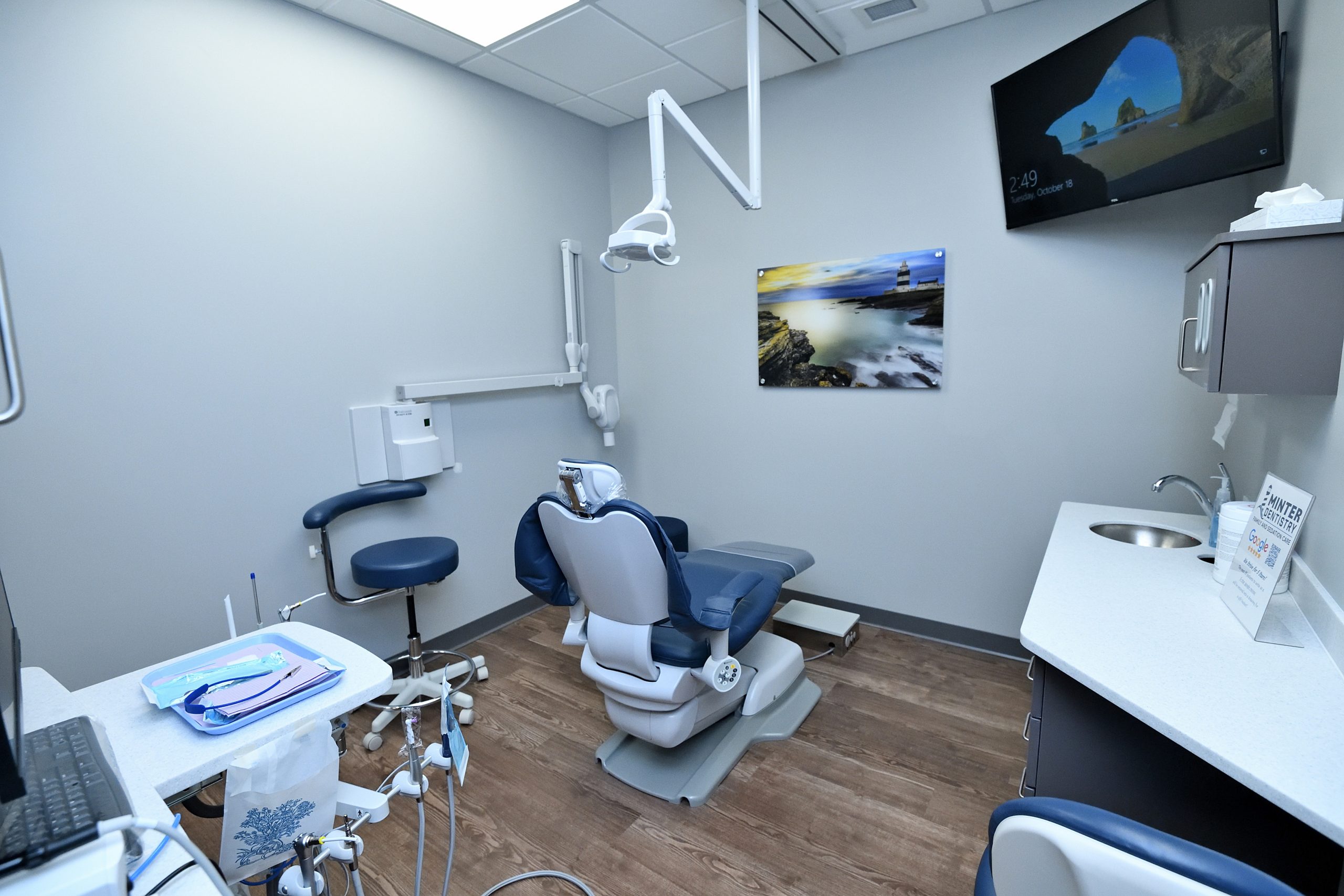
- A modern, spotless office and up-to-date technology our patients notice
Schedule Your Crown Consultation with Our Team
Ready to take care of that tooth? The first step is a simple evaluation so we can figure out the best way forward. Dr. Minter and his team will answer your questions and walk you through your options at a pace that feels right.
Call 330-662-5454 or reach out to schedule your visit at our Canton, OH office, and let’s get your smile back to full strength.