Sleep Apnea Appliances in Canton, OH
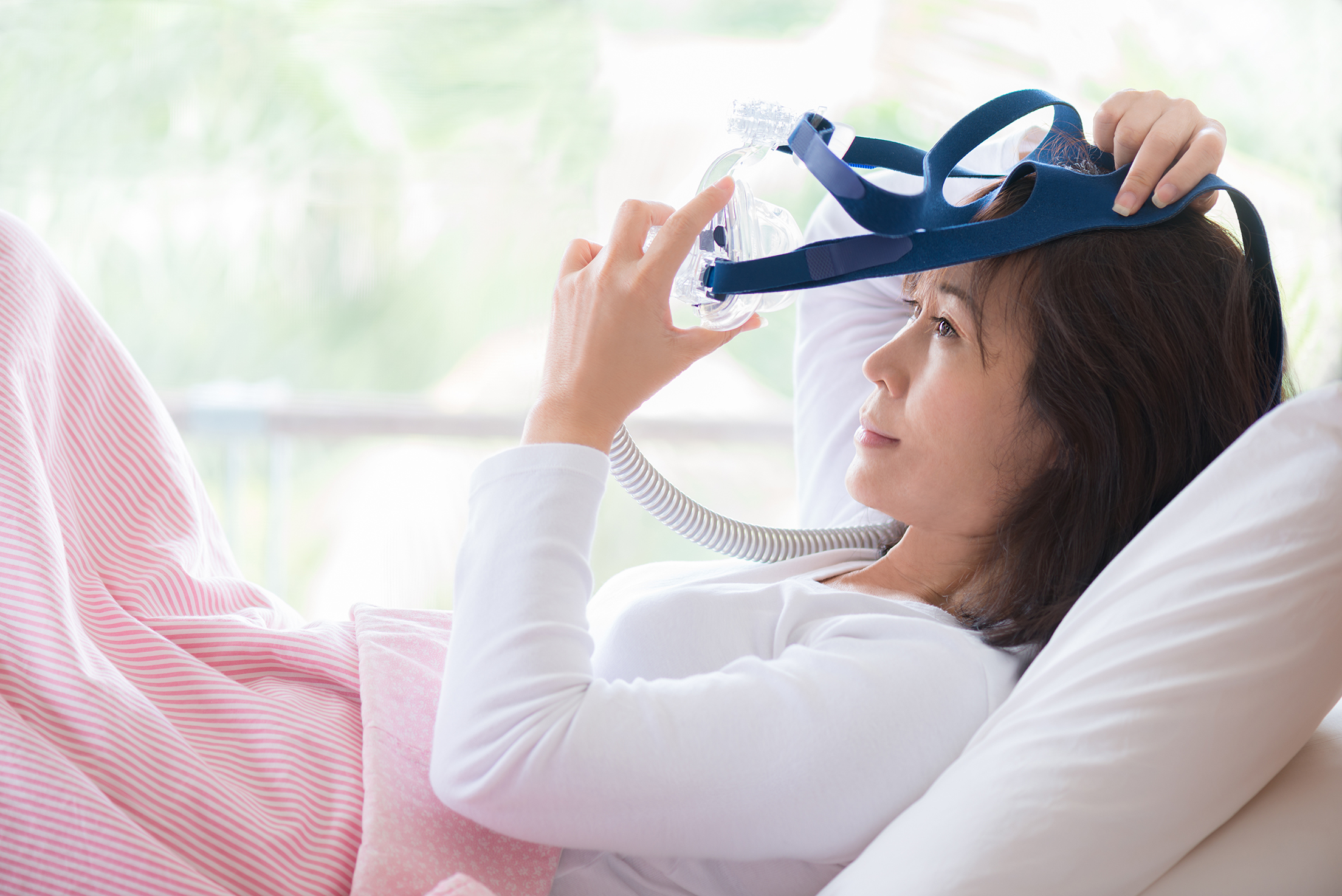
If you wake up exhausted after a full night in bed, or your partner has retreated to the couch to escape the snoring, your sleep may be working against you instead of restoring you. At Minter Dentistry we help patients quiet that nightly struggle with oral appliance therapy, a comfortable option that keeps you breathing and resting through the night. You do not have to choose between treating your sleep and actually enjoying it.
What Is Sleep Apnea?
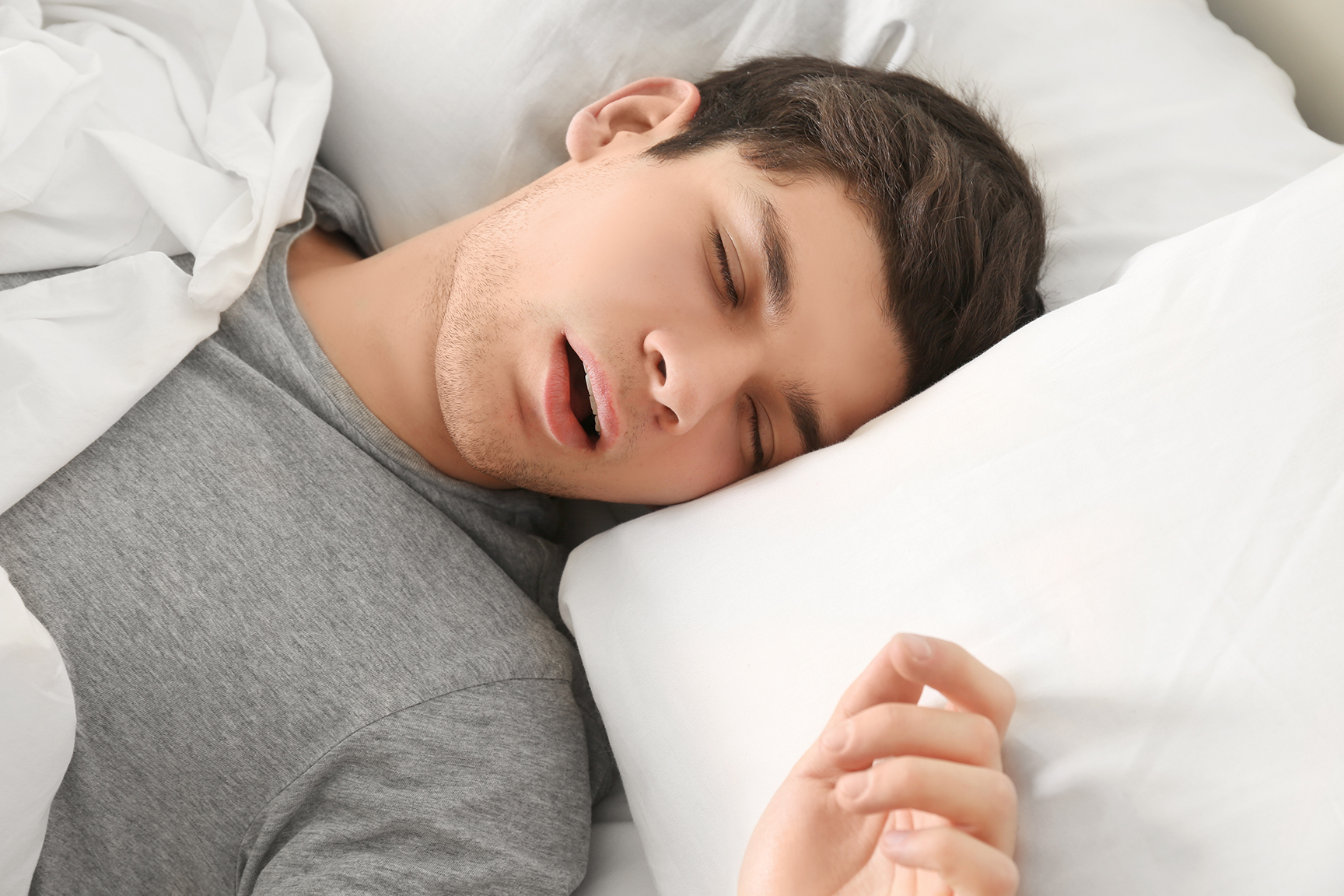
Sleep apnea is a breathing disorder in which your airflow repeatedly stops and starts while you sleep. Each pause, called an apnea, wakes your brain just enough to restart breathing, usually without you remembering it. These interruptions can happen dozens of times an hour, which is why you can spend eight hours in bed and still feel drained. An estimated 30 million adults across the country have the condition, and most have never been diagnosed. Because it does its damage quietly, many people live with the wide-ranging health effects of the disorder for years before linking their fatigue, snoring, or mood changes to a treatable cause.
Exceptional Care in a Landmark Practice
A provider of sedation dentistry for comfort-oriented family dental care
Frequently Asked Questions about Sleep Apnea Appliances
What Are the Warning Signs of Sleep Apnea?
The most common warning sign is loud, ongoing snoring paired with daytime exhaustion, though the disorder shows up in several ways. Many people never notice their own symptoms, so a bed partner often speaks up first. Watch for these signs:
- Loud, persistent snoring
- Gasping or choking awake during the night
- Morning headaches or a dry, sore throat
- Trouble staying asleep or frequent waking
- Daytime fatigue, brain fog, or difficulty concentrating
- Irritability or noticeable mood changes
If several sound familiar, it is worth a conversation with our team here. Catching it early can prevent the strain untreated apnea places on your heart and overall health.
What Are the Different Types of Sleep Apnea?
- Obstructive sleep apnea (OSA): The most common form. Soft tissue at the back of the throat relaxes and collapses, physically blocking airflow. This is the type that responds best to a dental appliance.
- Central sleep apnea (CSA): Less common. The airway stays open, but the brain fails to send steady signals to the muscles that control breathing.
- Complex sleep apnea: A mix of the two, sometimes appearing after long-term use of a CPAP machine for OSA.
How Does a Dental Sleep Appliance Treat Sleep Apnea?
A dental sleep appliance treats sleep apnea by gently holding your lower jaw and tongue forward so your airway stays open while you sleep. The device fits much like a sports mouthguard but is custom-made from an impression of your teeth for a precise fit. By keeping the airway from collapsing, it reduces both the breathing pauses and the snoring. Many designs work as a mandibular advancement device, meaning the lower jaw is guided slightly forward and can be fine-tuned over time. The goal is simple: steady airflow, quieter nights, and mornings when you finally feel rested.
Who Is a Good Candidate for Oral Appliance Therapy?
Good candidates are usually adults with mild to moderate obstructive sleep apnea, plus people who have tried a CPAP machine and could not tolerate it. If the mask, noise, or hose kept you from wearing your CPAP consistently, an oral appliance is one you are far more likely to stick with. You should also have healthy teeth and gums, since the appliance rests on them each night. During a consultation, Dr. Nathan S. Minter reviews your diagnosis, examines your bite and airway, and helps you decide whether the therapy fits. Patients with severe apnea may still need CPAP or a combined approach, and we will tell you honestly if that is the case.
How Is a Custom Oral Appliance Different From a CPAP Machine?
The biggest difference is comfort and simplicity. A custom oral appliance is a small, quiet device you wear in your mouth, while a CPAP machine pushes pressurized air through a mask and hose all night. Both work, but many patients find the appliance far easier to live with. There is no noise and nothing strapped to your face, and it slips into a pocket for travel. For people with mild to moderate OSA, a dental appliance is a proven CPAP alternative and a dependable snoring treatment that removes the obstacles that make people give up on their machines.
Do I Need a Sleep Study Before Getting an Appliance?
In most cases, yes. A diagnosis from a sleep study confirms that you truly have the disorder and shows how severe it is, which guides the right sleep apnea treatment. The study can be done overnight at a sleep center or with a simple take-home test in your own bed. If you have already been diagnosed, bring those results to us and we will build your plan from there. If not, we can point you toward the testing you need before fitting a device. Skipping this step risks treating the wrong problem, so it is one worth taking.
What Should I Expect When Getting Fitted for an Appliance?
- Consultation: We review your sleep study results and examine your teeth, bite, and airway.
- Digital impressions: We capture a precise model of your teeth so the lab can build a device made just for you.
- Fitting: You return to receive the finished appliance, and we adjust it for a snug, comfortable fit.
- Follow-up: We fine-tune the jaw position over a few visits and confirm that your symptoms are improving.
How Do I Care for an Oral Appliance, and How Long Does It Last?
With daily cleaning and proper storage, a well-made oral appliance typically lasts around five years before it needs replacing. Caring for it is easy. Rinse and brush it each morning with a soft brush, let it dry fully, and keep it in its protective case away from heat and pets.
Bring it along to your regular preventive dental checkups so we can inspect it for wear and make sure it still fits well as your mouth changes over time. A little routine care keeps it working well and protects your investment in better sleep.
How Much Does an Oral Appliance Cost?
Cost depends on the specific device and the complexity of your case, so the most accurate figure comes from a consultation. A custom appliance is often far more affordable than years of untreated symptoms and the problems they invite.
Many medical plans, and sometimes dental plans, cover part of the cost for a diagnosed condition, and our team will help you understand your benefits and any out-of-pocket portion before you commit. You deserve clear numbers up front so you can make a confident decision about your care.
Why Choose Minter Dentistry for Sleep Apnea Care
What sets our comfort-focused dental practice apart is a real commitment to putting patients at ease, especially those who feel anxious about dental visits. Dr. Minter served as a dentist in the United States Air Force, and that background shows in his careful, detail-oriented approach and his habit of truly listening before recommending anything. Every treatment plan is built around your needs and goals, not a one-size-fits-all script.
Our office was designed to feel welcoming and free of judgment, with modern technology and a calm, clean setting. For patients who need extra help relaxing, we also offer sedation options, including nitrous oxide, oral sedation, and IV conscious sedation, as part of the full range of general and sedation dentistry services we provide.
Rest Easier With Minter Dentistry
You do not have to keep trading your health and energy for another restless night. The right sleep apnea appliances can be the turning point, and the team at Minter Dentistry in Canton, OH is ready to help you find the fit that works for your life. Call us at 330-662-5454 or schedule your consultation to start the path back to deep, uninterrupted sleep and the better days that follow.